


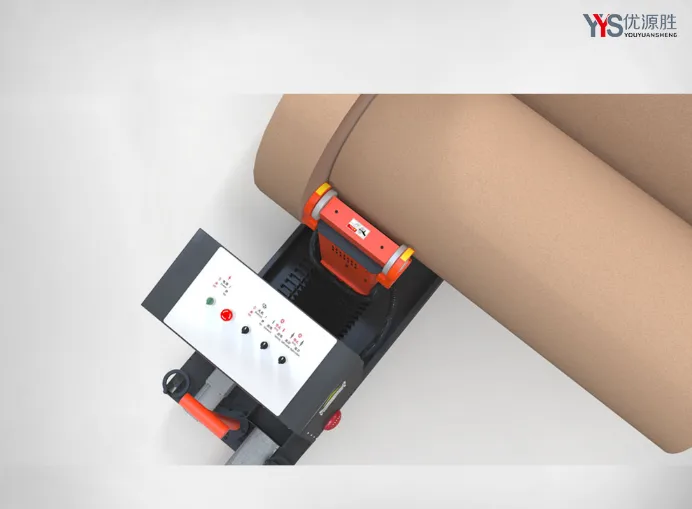
In modern paper processing operations, the installation of dust collection systems in base paper trimming machines has become an essential feature rather than an optional accessory. These specialized dust removal mechanisms serve multiple critical functions in industrial environments.
The working principle of these systems typically involves a negative pressure fan creating suction through strategically placed collection tubes positioned near the cutting area. As the trimming process generates paper dust and fine particles, the system immediately captures them through this suction network. The collected particles then pass through a multi-stage filtration system, often beginning with a primary filter for larger debris and concluding with a fine particulate filter or activated carbon layer for microscopic particles.
Industrial hygiene studies have demonstrated that continuous exposure to paper dust can lead to respiratory issues among operators. A properly functioning dust collection system reduces airborne particulate levels by 85-95%, significantly improving air quality in the work area. Moreover, the accumulation of paper dust on machine components can cause premature wear of moving parts and potentially create fire hazards in extreme cases.
Current industry standards recommend dust collection systems capable of processing at least 30 cubic meters of air per minute for standard trimming operations. Advanced systems may include self-cleaning mechanisms for filters and automatic shutdown features when the collection bin reaches capacity. These features ensure consistent performance while minimizing maintenance requirements.
Key Considerations of Dust Collection Systems
- Filtration efficiency (minimum 99% for particles above 5 microns)
- Noise levels (preferably below 75 decibels)
- Energy consumption ratings
- Ease of filter replacement and system maintenance
The integration of effective dust collection technology represents a sound investment that pays dividends through improved workplace safety, reduced equipment maintenance costs, and enhanced operational efficiency. Manufacturers offering these systems as standard equipment typically demonstrate greater commitment to both product quality and operator welfare.